
The Complete Guide to E-commerce Photography in 2025
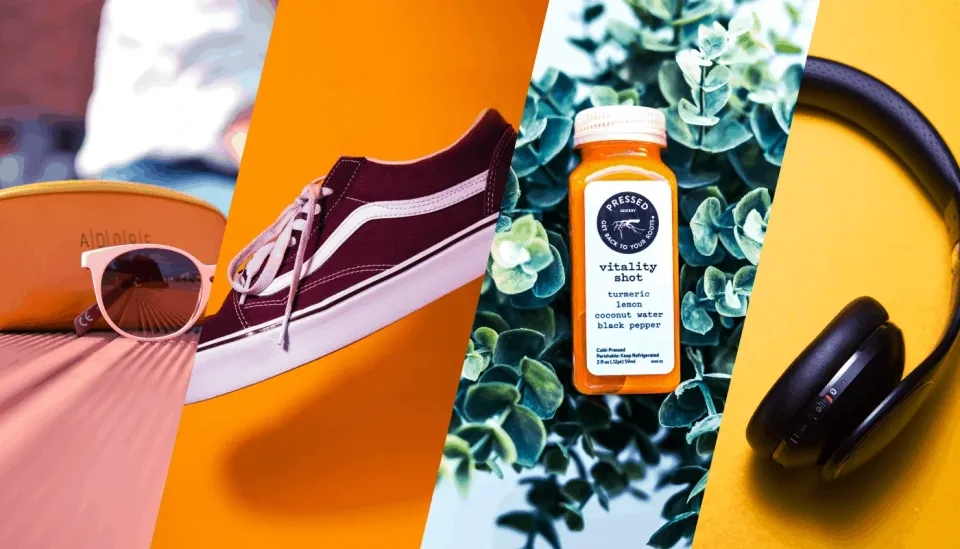
In 2025, product images do more than showcase items; they drive sales and shape the brand’s perception. Research shows that e-commerce brands using high-quality visuals tend to generate 7 times higher conversion rates than those low low-quality visuals. This is why investing in high-quality product photography is crucial for any e-commerce brand.
This guide is designed for e-commerce brands, marketers, and designers to help them understand what makes product images truly convert and how tools like Pikes AI are transforming e-commerce brands by helping them generate high-quality visuals.
Why E-commerce Photography Is Essential in 2025

In today’s digital age, product photography has a positive and stimulating impact on e-commerce. The extent to which high-quality visuals influence the purchasing behaviour on the part of customers using e-commerce channels and purchase decisions cannot be overstated
Here’s why e-commerce product photography matters more than ever:
- High-quality product photos had a 94% higher conversion rate than low-quality photos
- High-quality photos don’t just boost conversion, they make your products look way more premium and your brand more trustworthy
- 90% of people shopping online believe that photo quality is the top priority when buying something
In 2025, your photos should not just be high-quality but must maintain consistency across platforms, leveraging AI tools like Pikes.AI helps your product image consistency flow.
What Makes an E-commerce Product Photo Stand Out

93% of consumers consider visual appearance a crucial factor in their purchasing decision Justuno.com. Clearly, the visual aspect of products cannot be overstated in e-commerce, strong product image blends clarity, visibility and brand consistency.
As an e-commerce brand, here is what you should aim for:
- Capture Multiple Angles: Make sure that the top, bottom, sides and corners of your product are all photographed so that customers can get a 360degree view of what they are buying. This not only increases customer confidence but also will greatly reduce the likelihood of that product being returned.
- Invest In A Simple Background: A plain white or light coloured backdrop keeps the focus where it belongs, you don’t need fancy gear. A white background is ideal for an e-commerce brand.
- Master Basic Editing: You don’t need advanced editing skills, adjust brightness, contrast and sharpness to ensure your images reflect reality. Free tools like lightroom mobile can help enhance your shots.
- Optimize Image Size: High-quality images should load fast, slow websites slow down conversions. Use tools like tinyPNG or JPEGmini to compress images while maintaining clarity.
- Maintain Consistency: If your product image has a different style, background or lighting, your brand loses credibility, consistency helps build a recognizable brand aesthetic, which is key for long-term growth.
- Leverage Lifestyle Shots: People buy more than just products, they buy experiences. A lifestyle shot helps customers imagine your product in their lives. Lifestyle images create emotional connections which leads to conversions.
AI vs. Traditional Product Photography: What E-commerce Brands Need To Know
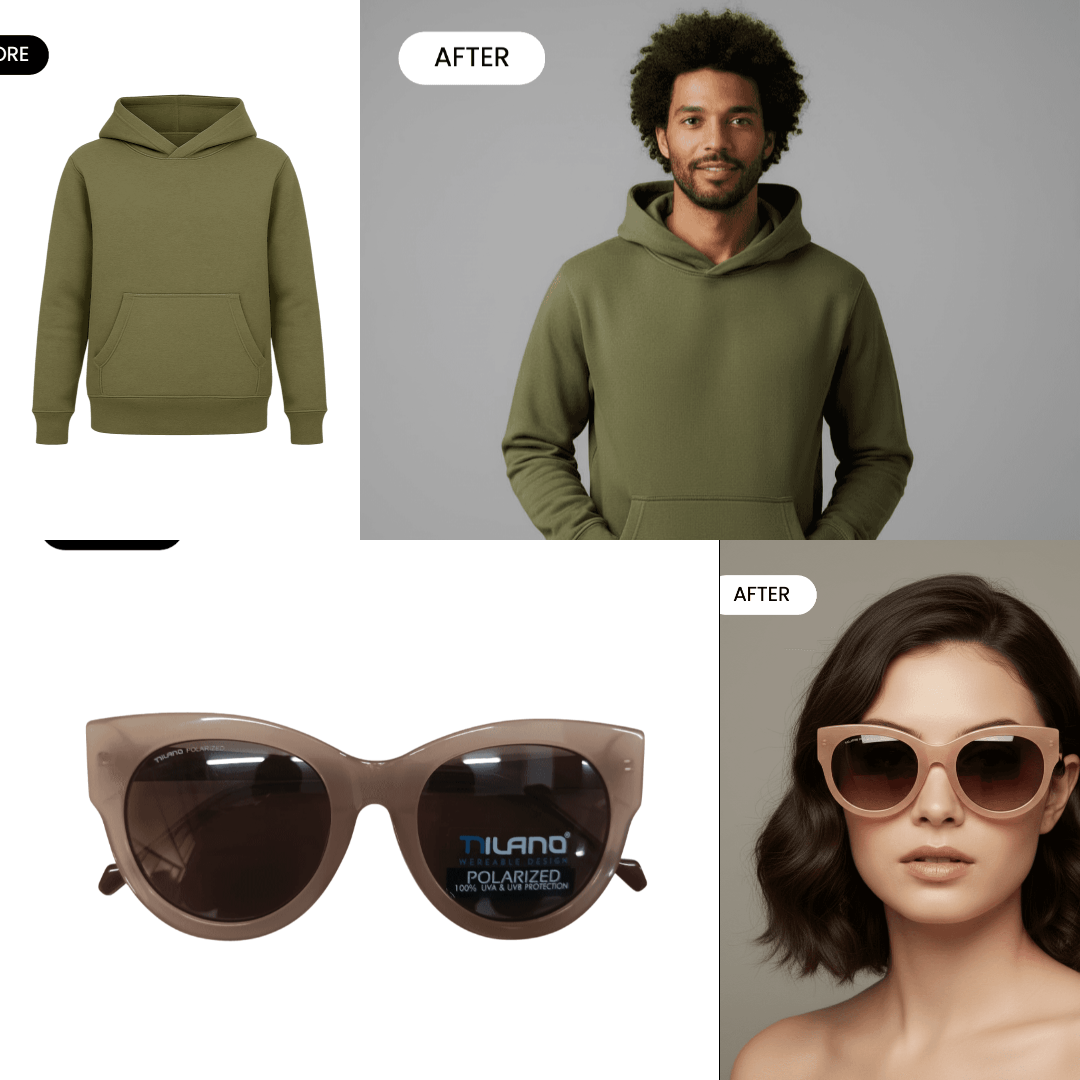
Product photography is more than just an image, it’s a crucial element in capturing attention, conveying brand value and ultimately converting viewers into buyers. Both AI and traditional product photography have their strengths and limitations. If you are a business owner, this will help you choose the best option for your brand.
Traditional photography captures authentic product images with natural lighting and true-to-life details, but generally it incurs higher costs for equipment, studios and post-processing and it can take days or weeks to organize a shoot. Using traditional photography may result in slight variations across images, especially if they are taken at different times or locations.
AI in e-commerce photography is transforming everything, with new tools. It allows for creative flexibility enabling brands to adjust backgrounds, lighting and angles without reshoot. It is also more cost-effective and faster with the ability to create or modify images in minutes and it provides perfect consistency, making it ideal for brands with extensive product catalogs or for those needing frequent updates.
AI tools for product photography like Pikes.AI is ideal for brands looking to streamline processes and adapt to digital demands.
How To Create The Best Product Photos- A Step By Step Guide in 2025
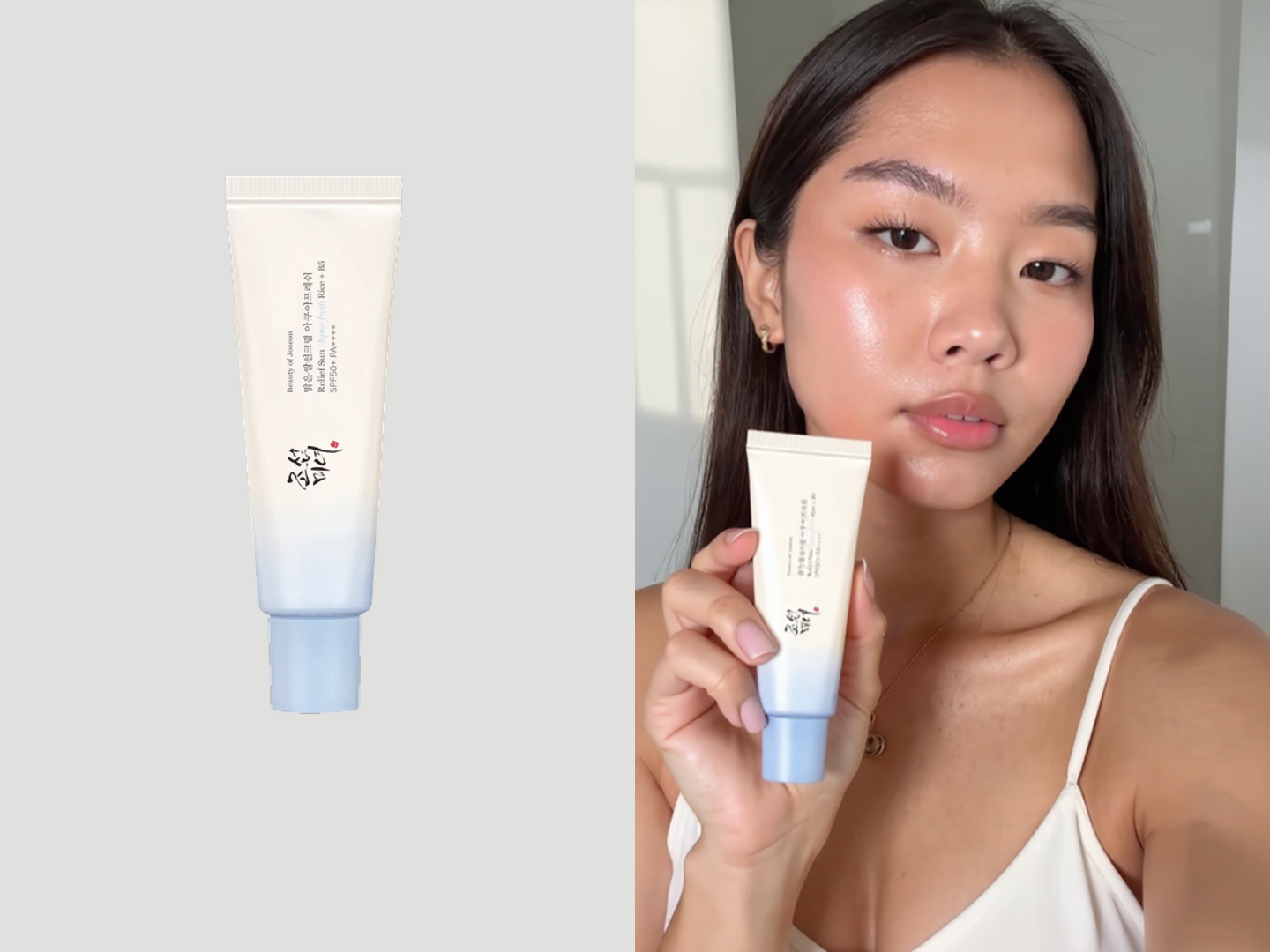
- Upload Your Product Photo: Start by uploading a clear, front facing image of your product to Pikes.AI, for the best results use a high-quality PNG Image with A transparent background
- Create Lifestyles Photos: Lifestyle photos create emotional connections which leads to conversions. With Pikes.AI you can place your product in different real world contexts without A physical shoot
- Animate or Edit Images: Use Product Studio on Pikes.AI to add or remove objects in seconds. You can turn your static shots into engaging clips or add animation for social media ads
- Optimize Image Size For Different Platforms: Different platforms have its unique photo size requirements. Platform like Amazon requires clean, white background, 1000 x 1000 pixels. Instagram or Tiktok uses lifestyle and story telling format and Website uses a mix of catalog and lifestyle shots.
With Pikes.AI you can instantly generate multiple dimensions of the same product image optimized for every platform
FAQS
Why is product photography important for e-commerce?
Product photography is important because it directly impacts sales, builds a brand’s credibility and improves the customer experience
What are the best AI tools for e-commerce photography?
Pikes.AI is a top choice for consumer brands, designed for hyper-realistic output and high-impact videos that grab attention. With Pikes you can generate studio-quality product shots and lifestyle scenes with perfect text consistency
How do I maintain consistent visuals across platforms?
Use Pikes.AI custom style to ensure all product images follow your brand’s tone, color, style across every platforms.