
Everything You Need to Know About Fashion Product Photography
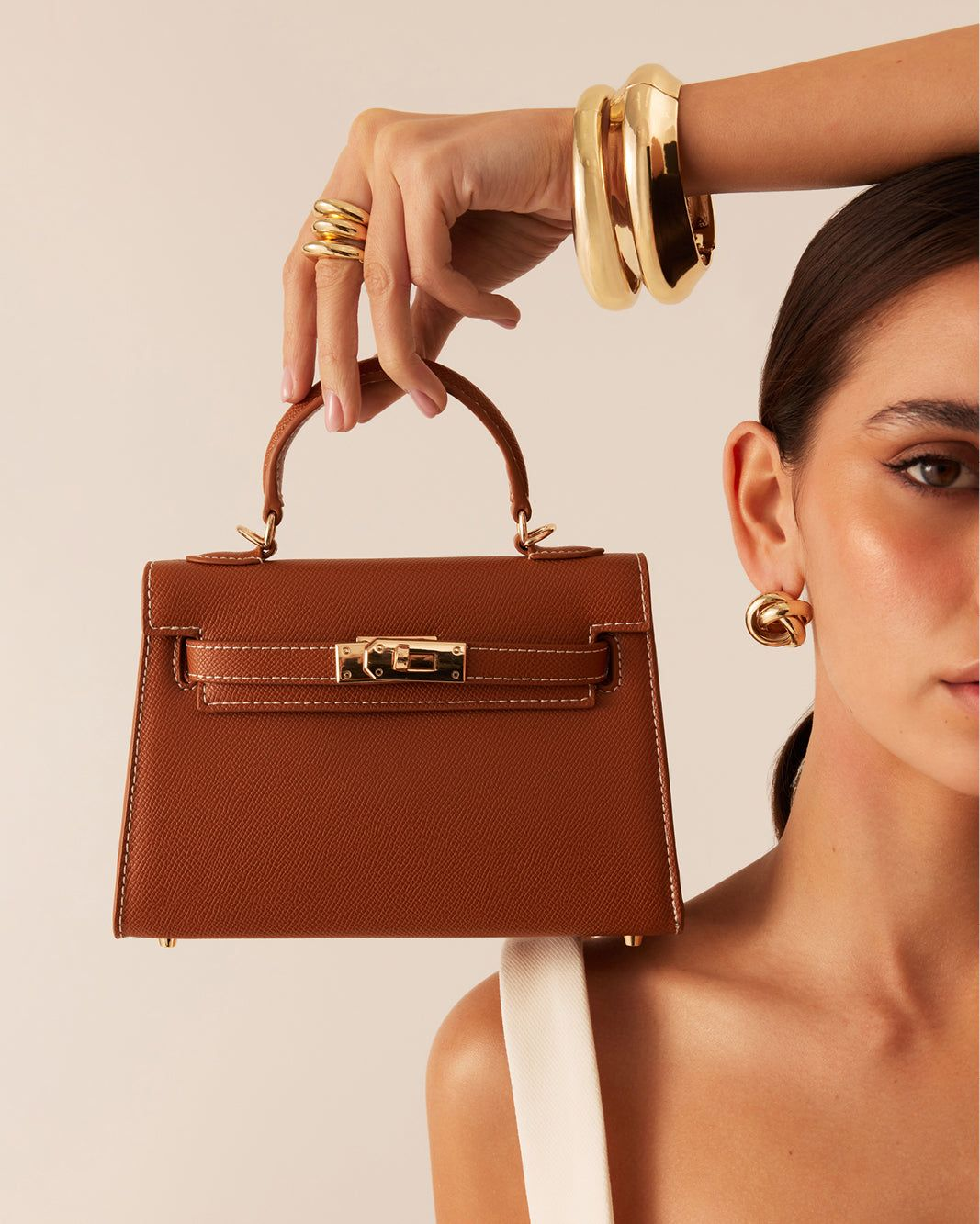
The fashion niche has always been one of the most competitive businesses. But with social media and the internet in general, it’s now better. There are e-commerce stores where you can display your products and attract as many customers as possible, without being limited by location. This is why your fashion product photography must be top-notch. It determines whether people will trust your brand enough to buy from you.
However, most people get it wrong when it comes to taking great fashion product photos. It’s beyond just holding a camera. The goal is to take photos that communicate, connect, and convert. When your images are sharp, clean, and emotionally appealing, your products look more desirable. And nowadays, your pictures speak before your brand even gets a chance to.
That’s why in this article, we’ve put together everything you need to know about creating high-quality fashion product photos, whether at home, in a studio, or with AI tools.
3 Categories of Fashion Product Photography
To take attention-grabbing fashion product photos, you need to understand and combine these three different categories: main pictures, macro shots, and lifestyle pictures.
1. Main Product Pictures
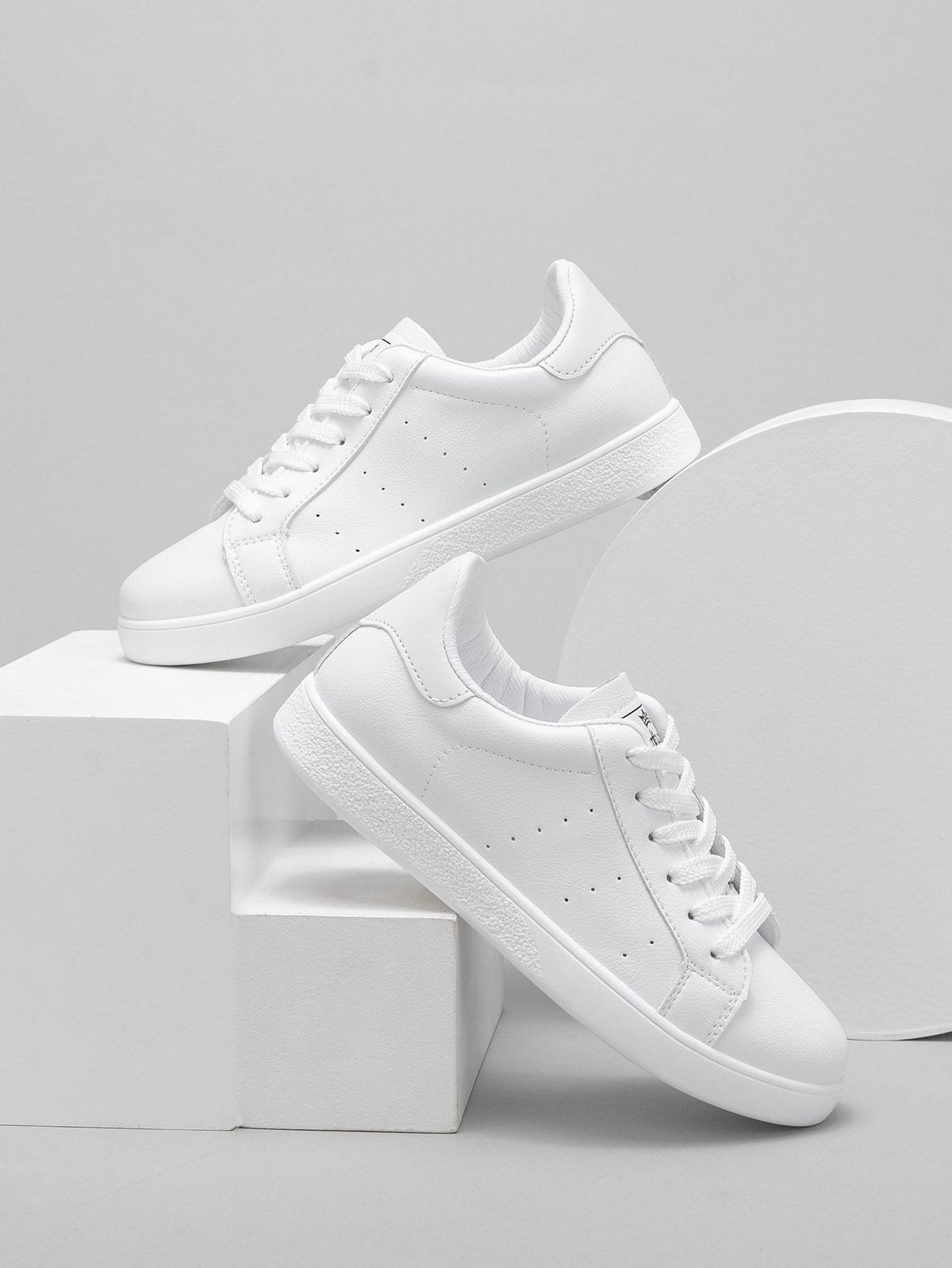
They are the primary pictures that customers first see. These shots are usually taken on a clean background (preferably white) to remove any distractions. E-commerce stores like Amazon and Shopify use this style a lot because it looks professional and shows the full item in the frame.
Whatever fashion item you sell, whether clothing, wigs, shoes, or bags, your main product pictures should always be clear, crisp, and shot from multiple angles to show the full thing.
2. Detail/Macro Shots
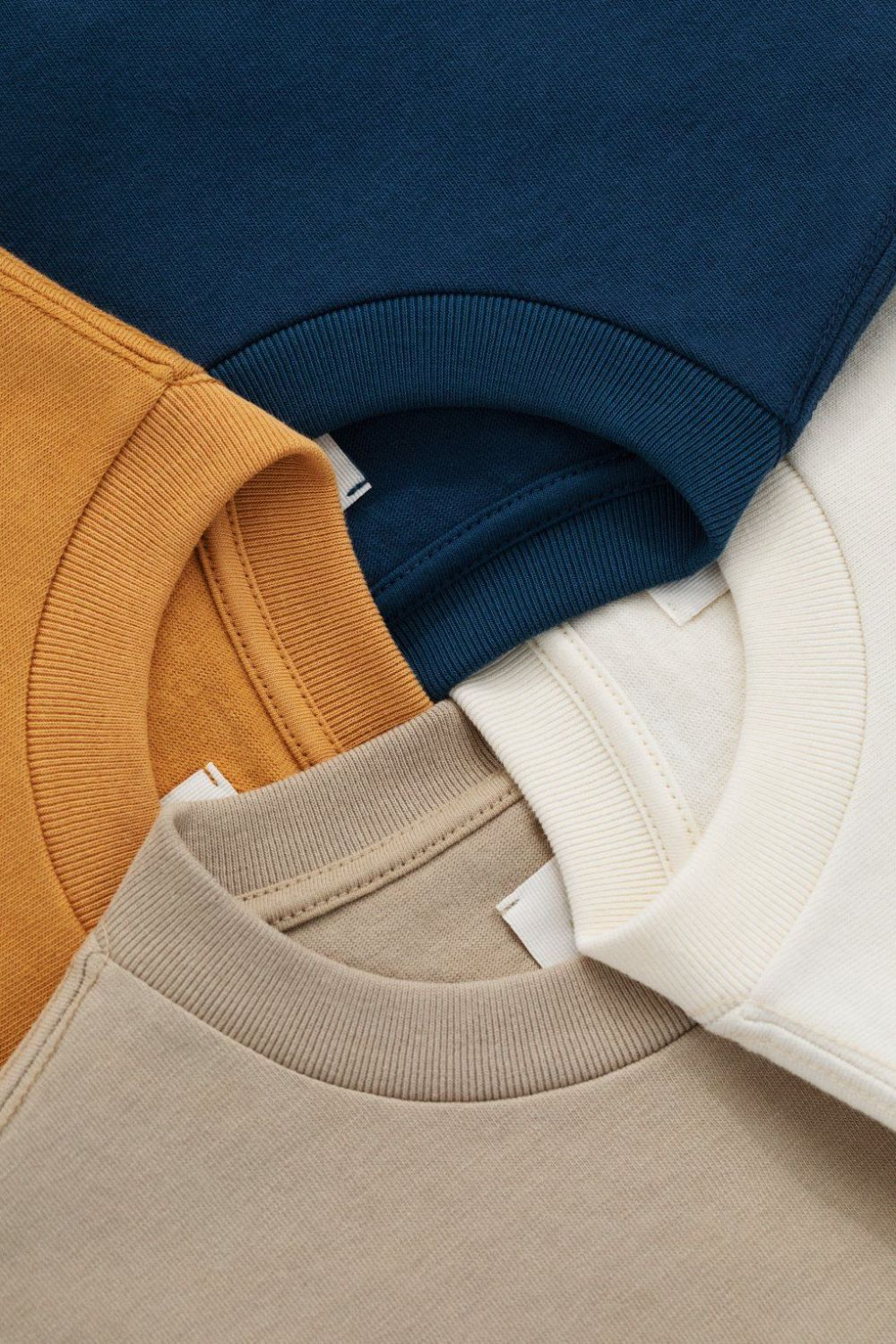
Detail shots zoom in on the tiny but important elements that buyers care about, like stitching, texture, fabric patterns, zippers, lace closures, jewellery stones, etc. In the fashion industry, high-quality close-up shots can be the difference between a customer buying your product or scrolling past it.
Use detail/macro shots for products like jewellery, luxury bags, wigs, shoes, fashion pieces, presson nails, and so on. They give customers a deeper sense of quality and craftsmanship.
3. Lifestyle Product Pictures
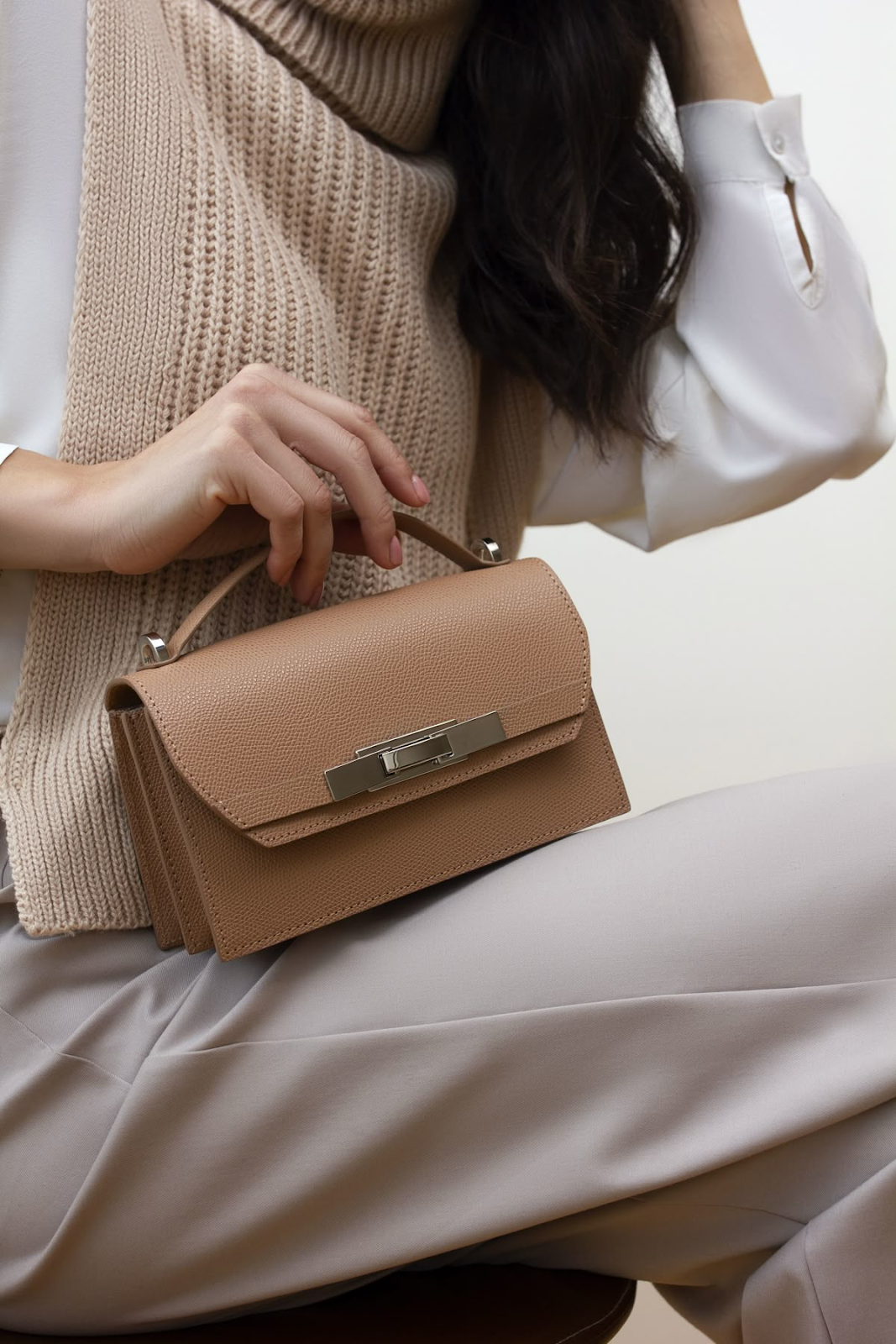
This is the shot that shows the potential customer how the product fits into their life. It’s like you telling them, “When you buy this product, this is how it’ll look on you”. For this shoot, you can show the item on a model at the beach, in a studio, or in a relatable environment.
One thing that lifestyle pictures help with is that customers can see how it looks in motion, how it matches their personal aesthetics, and how to style it. Lifestyle fashion photos are great for Instagram, ads, and brand storytelling.
Note: Combine these three styles to get the best results. Make sure they are clean, bright, and consistent.
Tools You Need for Fashion Product Photography
If you like to do your fashion product photography at the studio, you may not need these tools. But if you like the DIY style, then you should get the following:
1. Camera and Lighting
Many people have tried the DSLR and mirrorless cameras and said they liked the result. So, as a fashion entrepreneur, these are good options to invest in. If you have a good iPhone with a sharp camera, you won’t really need an extra camera. It does the job well, as long as the camera settings and lighting are good.
Lighting is even more important than the camera because bad lighting with a good camera will amount to no good. Since we’re dealing with fashion products here, you want to use soft, natural light. If natural light isn’t available, you can use soft boxes and ring lights so that the original texture and colour of the item are maintained.
2. Tripod
A tripod helps to stabilise your camera so that the pictures don’t come out blurry. Even if you have someone nearby, say a friend or sibling, who can help hold the camera, it cannot be as stable as a tripod that stays in one place.
Invest in a tripod so that your pictures are sharp and consistent.
3. Backdrop
Get a backdrop to create a clean environment for your shoot. White backgrounds are the best because they allow your products to shine.
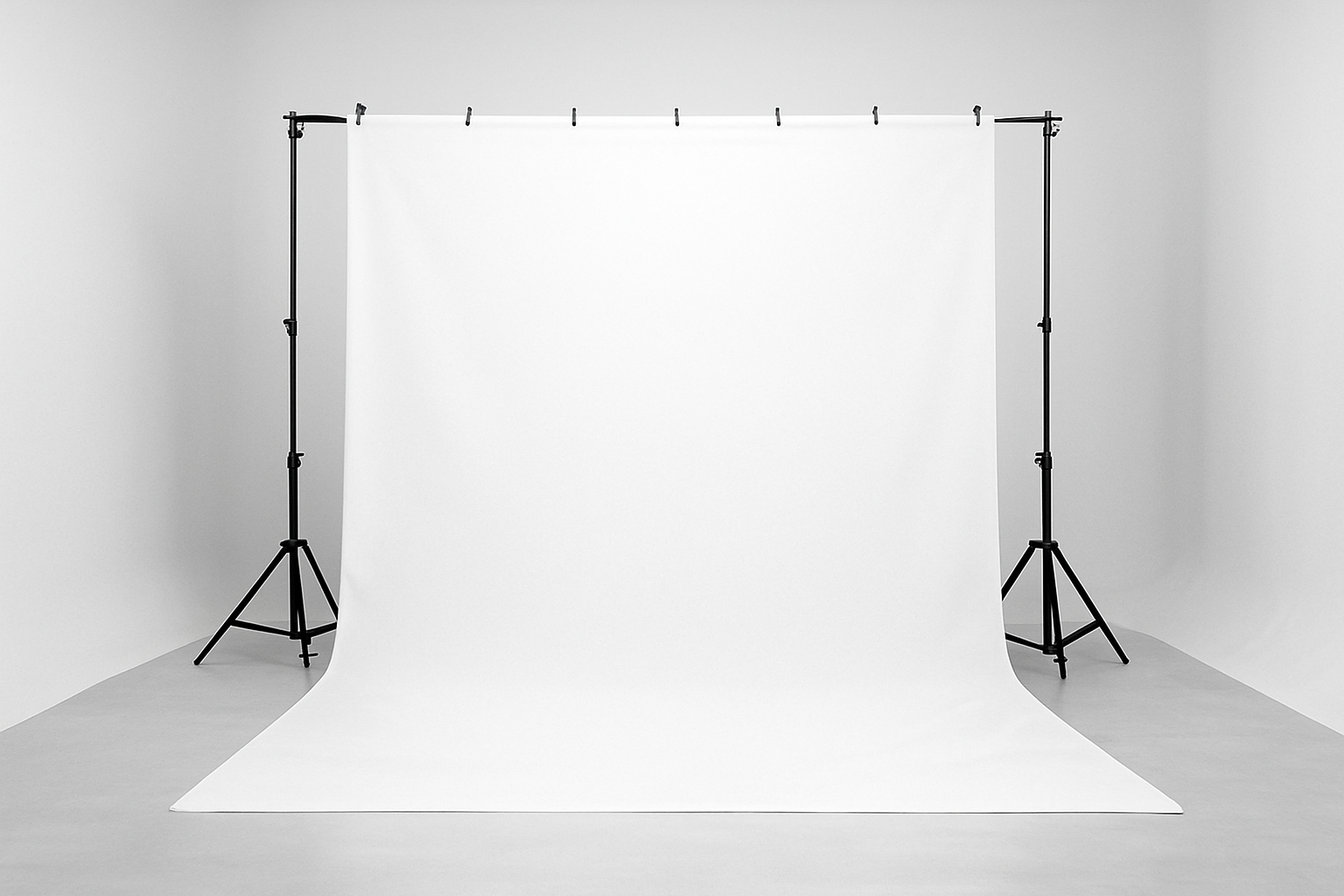
However, you don’t have to be stiff with this. Depending on your branding, you can also add coloured or textured backgrounds.
4. Mannequins
For clothing, wigs, and jewellery products, you need mannequins to showcase to customers. They give structure, shape, and presence to the products because they’d look flat if you take the pictures without mannequins.
You don’t have to get a lot immediately; you can start with one or two and get more later.
5. Models
Models add life, story, movement, and relatability to your products, and you need them for lifestyle shots.
For instance, if you sell clothes for plus-size women, models will help show your target audience what the clothes would look like on them, no guesswork.
6. Table
You need a stable table surface for flat lay, jewellery, small fashion accessories, and folded clothes shoots. Get a white or neutral-coloured tabletop to achieve this.
7. Editing Software
It’s not enough to have all the good cameras, tripods, and backdrops. You need good editing tools like Adobe Lightroom, Photoshop, and Snapseed to make the entire process come together nicely. Editing can help you correct lighting, adjust colours, remove blemishes, smoothen backgrounds, and enhance clarity.
You want to make sure that your final images match your brand aesthetic, and this is what editing does.
Practical Tips for Shooting Top-notch Fashion Product Photos
We’ve put together these practical tips to help you shoot fashion product photos that stand out anywhere.
They include creating a mood board, exploring different camera angles, using good lighting and backdrop, creating lifestyle POVs, and being consistent, among others.
1. Create a Mood Board
A shoot without direction is a failed one. That’s why you need to create a mood board so you can visualise the direction of your shoot. Your mood board should include colour palettes, background ideas, lighting styles, camera angles, sample poses, and brand inspiration.
This way, you keep your shoot organised and maintain consistency across every picture.
2. Explore Different Camera Angles
One way to convince people to buy is by showing them as many angles of the product as possible. This applies particularly to fashion items because people want to see that it’s exactly what they like. Experiment with different angles like the front view, side view, back view, top-down, diagonal, and 45-degree angles. If possible, open the item (if it’s a bag, for instance), so they see what the inside looks like.
Don’t forget to shoot lifestyle photos so that customers can imagine using your product. For instance, you can shoot pictures of models holding the bag, wearing the necklace, and lacing the sneakers.
This is also the part where you should capture every necessary detail of the product. For example, zoom into the closure or front of the wig, the collar of the shirt, the stones on the jewellery, etc. This will help you build trust.
3. Use Good Lighting and Backdrops
Again, lighting is everything. Whether you’re using natural light or artificial light, make sure it’s clean, clear, and shows the real texture and colour of the product.
Also, you should avoid harsh shadows except you just intentionally want to create a dynamic look.
4. Use Flat Lay Photography
Flat lays are popular for fashion accessories. Arrange your items neatly on a table and shoot from above. They’re great for sunglasses, jewellery, folded shirts, skincare and cosmetics, shoes, press-on nails, etc. They give the pictures a clean and modern feel that draws people in.
5. Dim the Lights for Jewellery Shoots
Jewellery reflects light easily, so you should dim your lights to avoid glare and create a soft sparkle. A diffused light source also brings out the clarity and shine, and this makes people want to buy it.
6. Be Consistent with Branding
Inconsistent branding is the fastest way to lose trust and make people run away. You must have a visual identity that is consistent across platforms. So your colour tones, lighting style, backdrop shade, and editing style must match. When people come to your Instagram page or e-commerce store, they see an organised, professional, and trustworthy fashion brand.
7. Use Props Where Needed
Just one prop may be all you need to add more life to your image. For example, you could add a vase of roses beside a jewellery set to make it look more aesthetically pleasing.
You can also add seasonal props to connect deeper with people per season. For instance, try adding a very small Christmas tree beside your bag picture to communicate the season. Just make sure your product remains the star of the picture.
8. Edit
Imagine that you’re making a pot of soup. You put all the necessary ingredients into the pot, but forget to turn on the fire. You’ll only have raw food, not cooked food. That’s what refusing to edit your pictures looks like, even if you already used good camera lighting, etc.
You don’t have to do too much, but you need to bring everything together to give a nice finish. Improve the brightness, align colour tones, remove distractions, and touch any necessary part without making it look unrealistic.
Importance of Good Product Photography for Your Fashion Business
Good fashion product photography isn’t just for aesthetics; it influences the success of your business in the following ways:
1. Builds Brand Image and Trust
When your product pictures look well thought-out, put together, and story-driven, customers connect to it. This is how they end up trusting you without even realising it. Once they trust you, it’s easy to buy from you because they find you credible.
2. Makes Your Brand Aesthetically Pleasing
People buy the image before they even read the caption. If it’s not visually appealing, they’d immediately scroll past.
The thing about good-looking pictures is that people not only buy, but they also engage by liking, sharing, and dropping comments (on social media).
3. Increases Sales
The better your products look, the more likely people are to buy. If you want sales, invest time and money into good photography.
Better still, you can use realistic AI tools like Pikes AI to save costs and maintain studio-standard product images.
4. Helps Your Customers Enjoy a Good Shopping Experience
Poor fashion product photography makes you lose customers. They buy the product and see a different colour, texture, shape, and size. But good photography shows these elements in their true form. This reduces product returns.
5. Gives You an Advantage Over Competitors
There are hundreds of thousands of fashion brands around the world. One major thing that can make you stand out is your visuals, specifically your product pictures. If you see yourself as an international or a global brand, don’t do “small”. Go all out for your product photography.
Using Pikes AI to Create Fashion Product Images
One way to go all out is by using top-notch AI tools that save you time, cost, and stress. Shooting new product pictures every time is not very feasible. It’s stressful. And since we’re talking fashion items, you want to be careful with repeated handling so they don’t gather dust, get worn out, or lose their shine.
This is why you need Pikes AI because it helps you to create sharp, studio-quality product images without breaking the bank. On this same platform, you’re free to change backgrounds as it matches your branding and generate lifestyle shoots without booking a model. But that’s not all. You can save hours of shooting and editing, and maintain consistent branding.
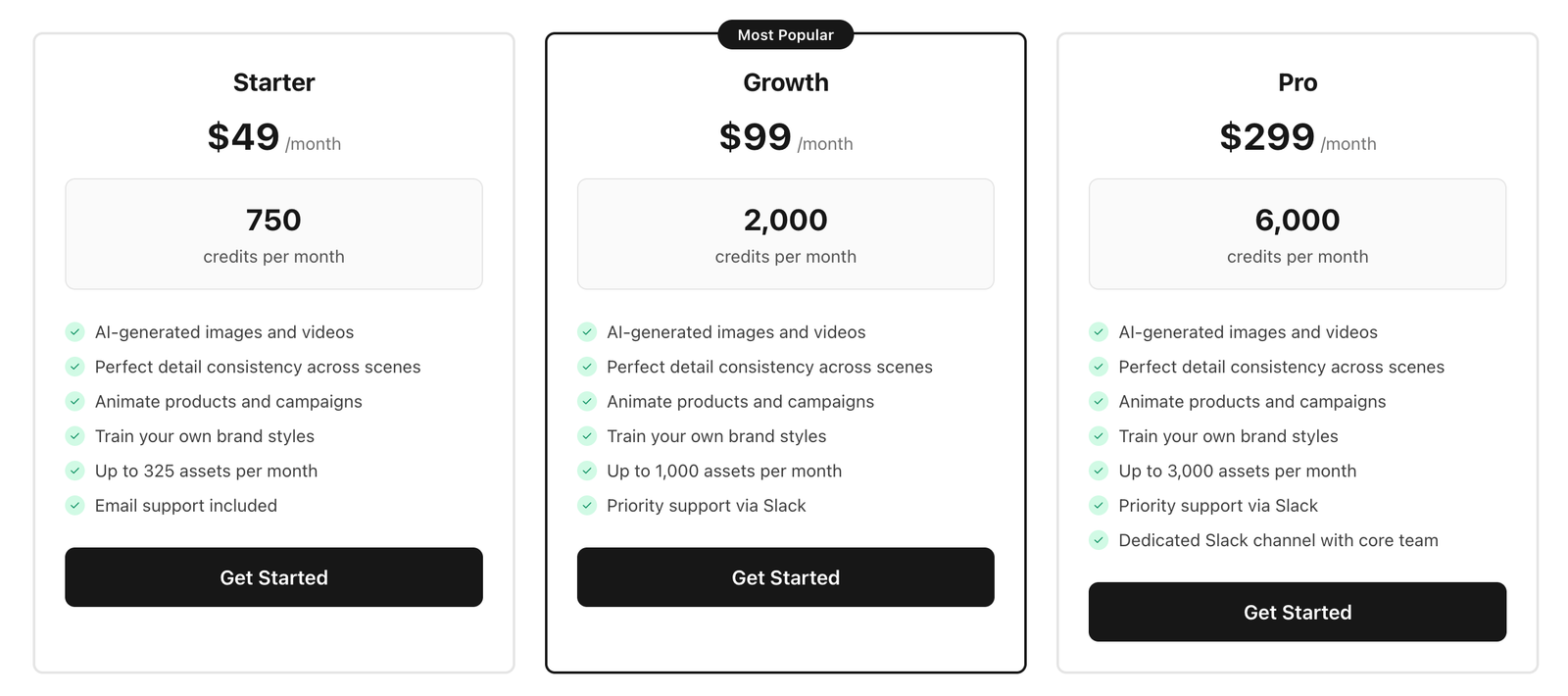
There’s no point stressing yourself with studio or home shoots when Pikes AI can generate up to 325 fashion product images for $49/month. You’re also free to select other plans, like the Growth and Pro plans, if they work best for you.
Final Thought
Investing in your product photography is one of the best things you can do for your fashion business. With the right ideas, planning, tools, and creativity, you can stand out in the fashion market.
However, things can get overwhelming when you have to shoot new product pictures every time there’s a new stock. That’s why AI product photography should be your best friend, especially realistic ones like Pikes AI. Start by signing up on the platform, using the free trial, and moving to a paid plan at your own pace.
Frequently Asked Questions (FAQs)
How Can I Photograph Fashion Products for E-commerce?
You need a white or neutral background to take fashion product pictures. Add soft, natural, or diffused lighting, and capture as many angles as possible. This will help customers see the product from all sides. Take main shots, side views, back views, and closeups that show texture, stitching, labels, and any special features.
After you’re done shooting, do some light editing to balance brightness, remove distractions, and keep your images consistent across all products so your store looks trustworthy.
One major thing to keep in mind as you shoot is that every e-commerce platform has its specific rules for product pictures. Amazon’s, for instance, may be different from Shopify’s. Check each one to be sure.
What Is the Best Setup for Clothing Photography?
A plain backdrop, soft even lighting, and a sharp camera are usually the best setup for clothing photography. You can use a mannequin, model, or well-arranged flat lay.
Make sure the cloth is steamed, properly styled, and positioned to show the true fit and texture. Use a tripod for steady shots, then edit lightly to correct colours, clean the background, and ensure the photos match your brand’s look.
How Do I Make Fashion Product Photos Stand Out Online?
Get a good camera, clear lighting, and multiple angles with lifestyle images that show how the product looks in real life. You also want to highlight details like zippers, frontals, etc., and make sure that the background and editing style remain consistent.
This is why you must invest in a good fashion product photography setup or use a good AI tool like Pikes AI. Pikes AI is affordable ($49/month), quick, and generates realistic product images.
What Are the Key Elements of Fashion Product Photography?
The key elements are clarity, good lighting, accurate colours, detailed shots, and consistent branding. Customers should be able to see exactly what they’re buying, so your photos must show the true texture, size, and quality of the product.
Using clean backgrounds, steady angles, and simple edits helps your brand look organised. This builds trust and improves the buying decisions of your potential customers.
What’s the Best AI to Use for My Fashion Product Photography?
Pikes AI stands out as one of the best options because it creates clean, realistic, studio-quality product photos. You don’t need to pay for physical shoots, models, or props. You can do it all on the platform, change backgrounds, and adjust things where necessary.
This saves time, reduces cost, and keeps your visuals looking polished, especially if you upload new fashion items regularly. It’s also cost-effective since you need to pay only $49 per month while being able to generate up to 325 brand assets.